Call Us Today
901 755 4797


When your main water shut off valve refuses to turn, quick action is essential to protect your home from potential water damage, leaks, or plumbing emergencies. At Choate’s Air Conditioning, Heating, Plumbing And Electrical, we understand how critical access to your main water valve is for homes across Memphis, Germantown, Bartlett, Collierville, and all Mid-South communities. Below, we clearly outline the causes, safest steps to take, expert advice drawn directly from our 65+ years of plumbing experience, and when you should call in trusted professionals for help.
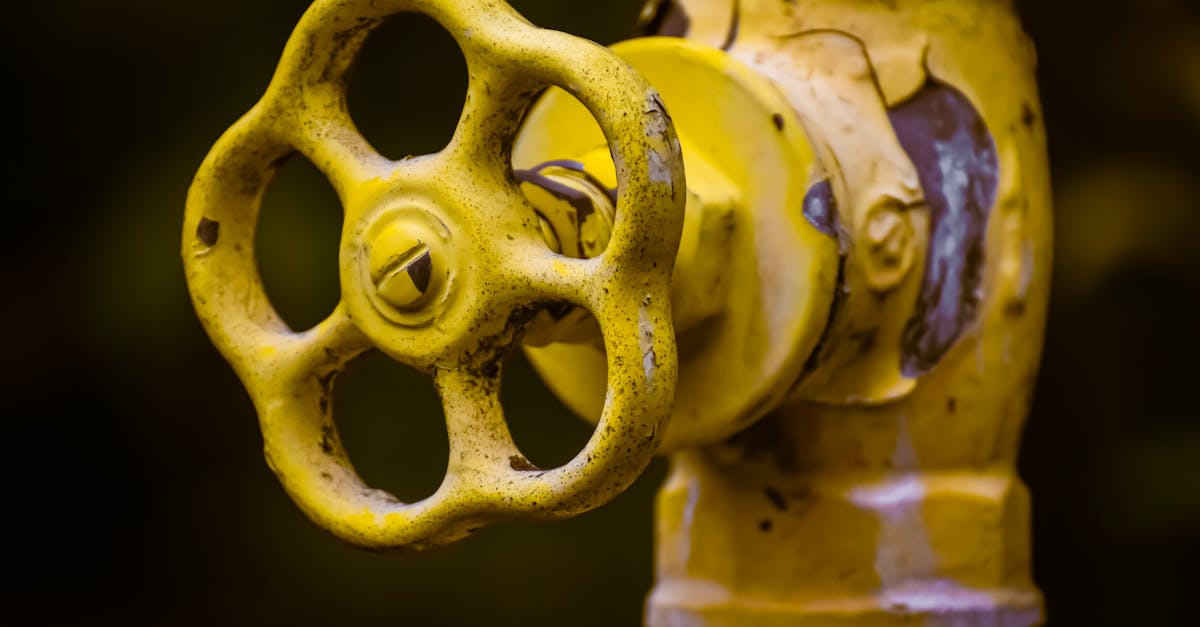
Your main water shut off valve controls the flow of water from the municipal supply into your house. Most Memphis-area homes have the valve located in a basement, crawl space, utility room, or just inside a foundation wall. In some cases, the shut off may be near the meter at the street. Turning this valve stops all water flow inside the building, which is crucial during emergency leaks or when performing plumbing repairs.
If your main water valve won’t turn, it’s important to proceed cautiously to avoid causing further damage. Here is the step-by-step approach we recommend at Choate’s for homeowners in the greater Memphis region:
Attempting to force a seized main valve can snap the stem, shear off the handle, or crack the valve body, resulting in uncontrolled water flow and costly damage to walls, flooring, and personal property. Prolonged neglect also raises the risk that an emergency leak can’t be contained quickly. For comprehensive plumbing safety, periodic valve maintenance and inspection are highly recommended.
| Warning Sign | Likely Cause | Recommended Action |
|---|---|---|
| Valve handle spins but water doesn’t stop | Worn internal seat | Replace main valve |
| Persistent stem/body leak | Corroded packing nut | Professional valve repacking or replacement |
| Handle is cracked or breaks off during attempt | Severe internal mineral buildup/age | Install new valve |
| Valve won’t move after oil/pliers | Completely seized mechanism | Expert removal and replacement |
| Water pressure drops after turning valve | Partial pipe or valve obstruction | Camera/video inspection |
If any of these occur, do not delay replacement or you risk plumbing emergencies and potential foundation flooding. Choate’s Air Conditioning, Heating, Plumbing And Electrical provides straightforward, flat-rate pricing for valve replacements and repairs, ensuring you never face pricing surprises.
One Germantown family experienced a frozen main valve during a slab leak crisis. At their request, our Choate’s licensed plumber arrived promptly, used hydrojetting to clear deposits, and replaced the main valve in a single visit, only needing a few hours. This rapid response averted extensive water damage and thousands in foundation repairs.
For persistent clogs, leaking pipes, toilets that will not flush, or more complex plumbing needs, see answers in our linked guides:
Members of the Choate’s Family Assurance Membership (FAM) Plan receive proactive main valve maintenance and annual plumbing inspections. This service extends the lifespan of your shutoff valve, guarantees priority scheduling, and provides discounts on all repairs. Many homeowners find that this plan prevents emergencies and gives peace of mind year-round. Learn more about how proactive maintenance protects your home on our main website.
If there’s no movement after using oil and light plier pressure, immediately stop further attempts and call a licensed plumber. Excess force can crack pipes or the valve, leading to flooding. Choate’s can typically dispatch an expert same-day in the Memphis area.
WD-40 and similar penetrating oils are generally safe for exterior valve parts (never ingest or allow to contact potable water). Only apply to the valve stem, not inside the pipe or water line. Allow the lubricant to penetrate for up to 30 minutes before attempting movement.
Every homeowner should gently turn the main shut off on and off fully at least twice per year. Regular exercising helps keep mechanisms loose and immediately functional during emergencies.
Yes. Most homes in Memphis and the Mid-South have a secondary shut off at the street or meter box. Having a water meter key on hand or knowing how to contact your local water utility (such as MLGW in Memphis) can be lifesaving in an emergency.
While pricing depends on location and complexity, Choate’s offers flat-rate pricing to ensure no surprises for our customers. Schedule an appointment for a transparent estimate before any work is done.
Main shutoff valve replacement typically involves cutting into the main water supply and working with pressurized lines. For safety and code compliance, this work is best left to licensed professionals.
If your main water shut off valve is stuck, don’t panic. Avoid forcing the valve or taking risks that could cause leaks or flooding. Use safe DIY methods for minor cases, but call the experts at Choate’s Air Conditioning, Heating, Plumbing And Electrical for stuck, damaged, or aging valves. We proudly serve the greater Memphis area with the trusted service you expect from a family-owned company since 1958. Book your plumbing appointment or annual FAM Plan inspection online, or give us a call at (901) 755-4797. Let our family serve your family when it matters most.