Memphis Freeze Playbook: Prevent Burst Pipes and Heating Issues When the Grid Is Stressed
When Arctic air hits the Mid-South, pipes burst, heaters struggle, and the power grid feels the strain. Use this Memphis-specific guide to protect your home and know exactly what to do if something goes wrong.
What happened and why Memphis homes are at risk
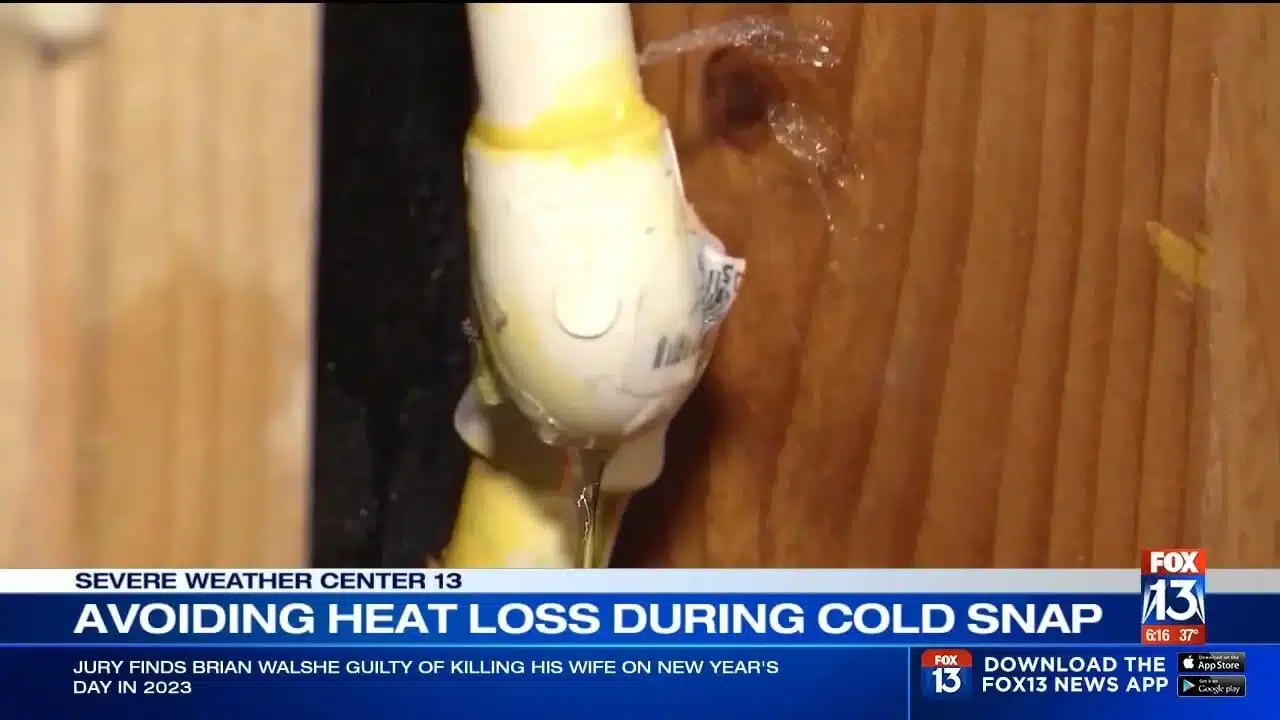
During deep freezes, our area sees a predictable pattern: frozen water lines that burst, long repair backlogs, and homes that lose heat at the worst time. Pressure drops and boil advisories can follow when water mains break. Meanwhile, space-heater overloads and nonstop HVAC cycling stress both circuits and equipment. The good news: a few steps before and during a cold snap can prevent most of the damage.
Quick-start checklist before the next hard freeze
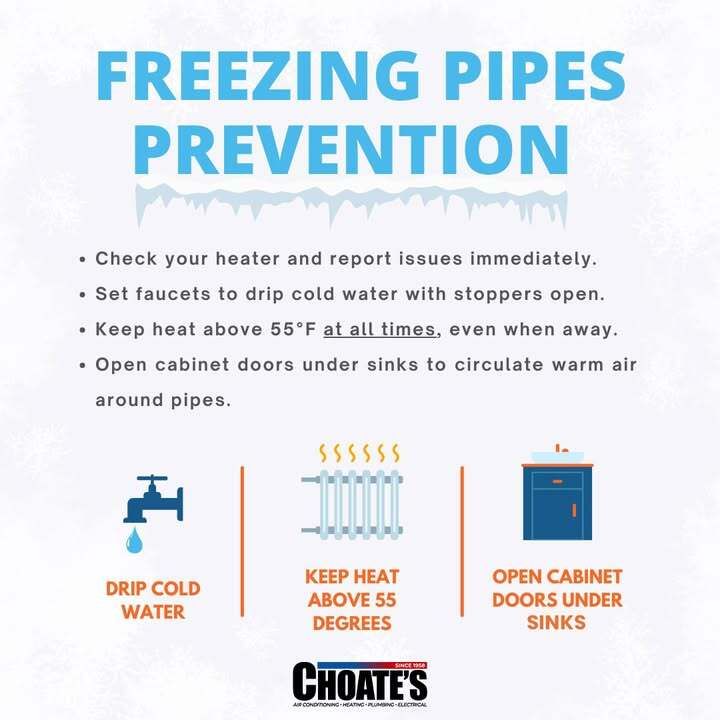
Drip at-risk faucets. Let a slow, steady drip on lines along exterior walls, in crawlspaces, attics, or unheated garages.
Open sink cabinets. Let warm air reach supply lines in kitchens and baths.
Insulate exposed pipes. Foam sleeves, heat cable on the most vulnerable runs, and covers on outdoor spigots.
Know your main water shutoff. Find it, test it, and label it so anyone in the home can use it fast.
Hold indoor temps steady. Keep heat at ~55°F or higher—no nighttime setbacks during severe cold.
Stagger heavy loads. Avoid running space heaters, ovens, dryers, and hair dryers on the same circuit.
Add smart protection. Place leak sensors near water heater, kitchen sink, and laundry; use a smart thermostat alert for temperature drops.
Outdoor faucet protection: the steps that actually work
Turn off the interior shutoff to each exterior spigot.
Disconnect hoses, drain them, and store indoors.
Open the outdoor faucet to release trapped water.
Install an insulated cover; the cover helps, but draining the line matters more.
Heat stays on, safely: HVAC tips for a frigid weekend
Filter first. A clean filter reduces run time and short cycling.
Heat pump quirks. Steam clouds or brief “cool” air can be normal during defrost; persistent cold air or breaker trips are not.
Space heaters. Keep them on dedicated circuits, three feet from combustibles, and never overnight or unattended.
Thermostat strategy. Choose a steady setpoint; frequent bumping up and down can make the system work harder.
Suspect a frozen pipe? Thaw it without causing a flood
Open the nearest faucet (hot and cold) to relieve pressure.
Warm the pipe with a hair dryer or small space heater at a safe distance—no open flames.
Start at the faucet and work back toward the cold section so meltwater has a path out.
Can’t reach it or not sure which run is frozen? Call Choate’s for safe access and a proper thaw.
If a pipe bursts: first moves that limit damage
Shut off the main water immediately. If water is near outlets or your panel, shut off electricity to that area.
Open faucets to drain remaining water and reduce pressure.
Document the scene for insurance, then start cleanup with towels or a wet/dry vac.
Call a licensed plumber to replace the failed section, and a water-damage pro if needed.
Memphis-specific reminders for cold snaps
City advisories. In widespread breaks, utilities may issue boil notices. Follow official guidance and conserve where asked.
Vacant properties. Shut water off at the street and check periodically for leaks or sprinkler problems.
Travel plans. Keep heat at ~55°F+, open sink cabinets, and consider a whole-home shutoff valve or smart leak monitor.
Why homeowners call Choate’s during and after a freeze
Local, family-owned since 1958
Licensed plumbers and NATE-certified HVAC technicians
Clear pricing and photo-documented repairs
One call for plumbing, HVAC, and electrical less stress when minutes matter
Choate’s Air Conditioning, Heating, Plumbing & Electrical, Serving Memphis, Collierville, Germantown, Bartlett, Cordova, Lakeland, Southaven, Olive Branch, Jackson TN and nearby communities.
Frozen & Burst Pipe FAQs (Memphis & the Mid-South)
At what temperature do pipes freeze in Memphis?
Risk climbs during sustained sub-freezing temps, especially near 20°F and below. Lines in attics, crawlspaces, exterior walls, and garages are most vulnerable. Drip at-risk faucets and open sink cabinets during severe cold.
Should I let faucets drip—and which ones?
Yes. Drip faucets served by pipes in unheated areas or exterior walls. A slow, steady drip helps relieve pressure. Open cabinet doors so warm air reaches those lines.
What’s the safest way to thaw a frozen pipe?
Open the nearest faucet, then warm the pipe with a hair dryer or small space heater—no open flames. Start near the faucet and work back toward the cold section so meltwater can exit.
How do I winterize outdoor faucets correctly?
Shut the interior valve, disconnect and drain the hose, open the exterior spigot to release water, then cover the faucet with an insulated cap. Draining the line matters most; the cover adds protection.
What should I do first if a pipe bursts?
Shut off the main water immediately. If water is near outlets or your panel, cut power to the area. Open faucets to drain, document damage, begin cleanup, and call a licensed plumber for repairs.
Why does the power grid feel “strained” during a freeze?
Heating demand spikes and many homes add space heaters, which raises electric load at the same time utilities fight weather-related outages. Staggering appliance use and using safe setpoints can help reduce stress on circuits and the grid.
My heat pump blows cool air briefly—normal in extreme cold?
During defrost, a heat pump may blow cooler air or produce steam outdoors. It should resume warm air within minutes. Persistent cold air, breaker trips, or loud grinding sounds require service.
Can Choate’s help today if I have a leak or no heat?
Yes. We provide emergency plumbing and HVAC across Memphis, Collierville, Germantown, Bartlett, Cordova, Lakeland, Southaven, and Olive Branch. Call 901-755-4797 or schedule online.
Schedule Online
Request Info
"*" indicates required fields
Share this post
Request Info
"*" indicates required fields
Prevent Burst Pipes in Memphis: The Cold-Weather Checklist That Works
Prevent Burst Pipes in Memphis: The Cold-Weather Checklist That Works