Call Us Today
901 755 4797

Memphis is known for great drinking water. And for many homes, it really is clean and clear at the tap. Still, a winter storm can remind us of something easy to forget: the water that leaves the treatment plant has to travel through miles of underground infrastructure before it reaches your kitchen sink.
Recently, local reporting highlighted how freezing and thawing can expose weak points in older water lines. In one downtown incident, Memphis Light, Gas & Water described the cause as a “vintage pipe” from the early 1900s. That phrase stuck with a lot of homeowners, and for good reason.
This guide breaks down what aging infrastructure can mean for water appearance and taste, what your water heater might be adding to the mix, and simple ways to improve water quality at home, from DIY filters to whole-home systems.
Water quality can mean different things to different people. Some are worried about taste and odor. Others want to reduce scale buildup. Some just want peace of mind after seeing a corroded pipe photo on the news.
Here’s the helpful way to think about it: your city’s water can be well-treated, but the “last mile” matters. Older distribution pipes, street repairs, and even your home’s plumbing can affect what comes out of your faucet.
When older water mains break or get disturbed during repairs, homeowners sometimes notice discolored water, cloudy water, or sediment. That does not automatically mean the water is unsafe, but it does mean something changed in the system, and you should take it seriously.
If your water looks brown or rusty after a main break or repair, the first step is often flushing your cold lines. Memphis utilities have advised running water for a short period after events like this and contacting them if discoloration continues. If you’re unsure, use bottled water for drinking and cooking until it clears.
Want a clearer baseline on your local water? Every community water system must provide an annual water quality report (often called a Consumer Confidence Report). It’s a simple way to see what’s tested and what was detected.
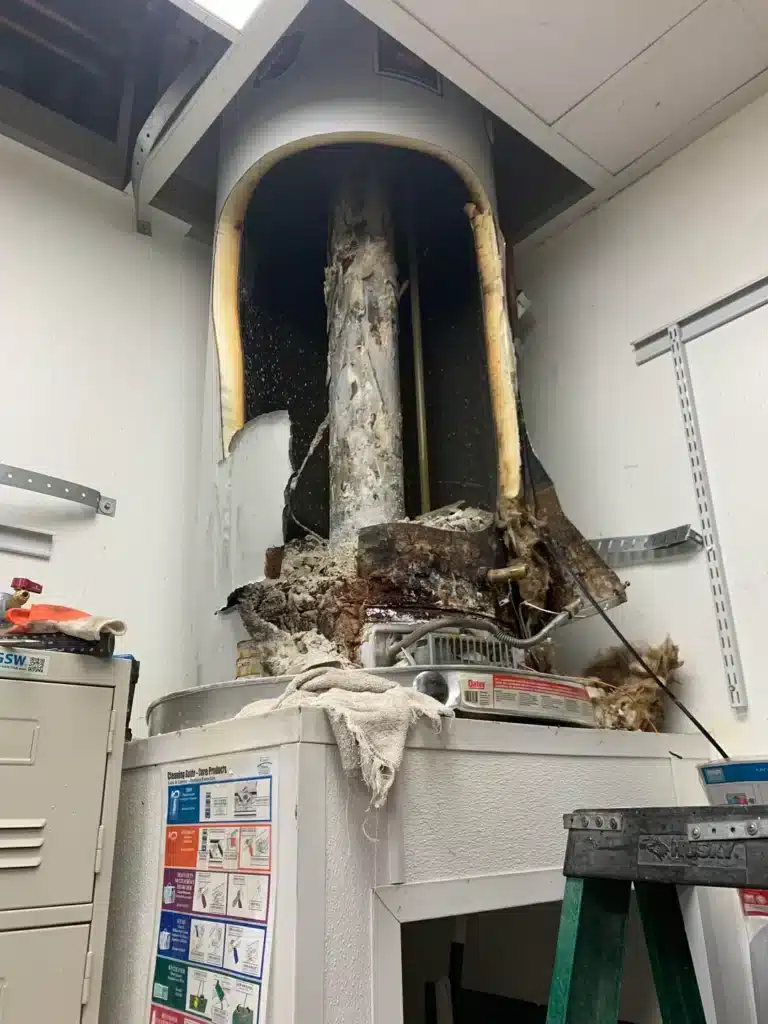
Here’s the part most homeowners don’t realize: the inside of your water heater can collect sediment and minerals over time. That buildup can affect hot water clarity, contribute to odor, and shorten the life of the unit.
A simple flush can help. The EPA’s WaterSense program even calls out flushing your water heater once a year to reduce sediment buildup. If you’ve never flushed it, or you have an older tank, it’s often best to have a pro handle it to avoid leaks and stuck valves.
If your goal is better taste, less odor, or extra peace of mind for drinking and cooking water, point-of-use filtration is often the simplest starting point. The CDC recommends choosing a filter based on what you want to reduce and how much water you need to filter.
A good rule: choose filters that are tested to standards that match your goal. NSF explains how standards like NSF/ANSI 42 and 53 are used to verify reduction claims. EPA also provides guidance on identifying filters certified for certain contaminants.
DIY filters help most with drinking and cooking water. But if you want improved water quality at every tap, whole-home filtration and conditioning can be a better fit. It’s also useful if you want to reduce scale that builds up in plumbing and appliances.
The HALO 5 is a maintenance-free whole-house water filtration and conditioning system designed to improve water quality at every tap. It helps remove common contaminants and can reduce hard-water scale without using salt.
The HALO ION-6 is a no-maintenance, whole-house in-line water conditioner that uses multi-reversing polarity permanent magnetic fields to reduce hard-water scale buildup. It does not use chemicals, electricity, or a drain line. It treats calcium and magnesium so they’re less likely to stick and build up in plumbing and appliances. It’s commonly paired with tankless water heaters.
If you want real answers before buying anything, start with a water quality test and a plumbing inspection. We’ll look at what’s happening in your home, including signs of corrosion, sediment, and scale, then explain your options.
If you’re seeing repeated discoloration, sudden drops in pressure, water heater rust, or frequent clogging of faucet aerators, it’s worth having a professional inspect your plumbing and water heater. In many cases, the fix is straightforward. In others, the goal is to prevent a bigger repair later.
If you want clearer water and fewer surprises, Choate’s can help you start with the basics and build from there. Call 901-755-4797 or schedule online for a water quality test and residential plumbing inspection.
Serving Memphis, Bartlett, Germantown, Collierville, Cordova, Lakeland, Southaven, Olive Branch, and nearby communities.
Storm damage and repairs can disturb older water lines, which can stir up sediment or rust. If this happens, run cold water for a short period and follow local utility guidance. If discoloration continues, it’s smart to call your utility and consider a home plumbing inspection.
Local utility updates have used “vintage pipe” to describe very old water infrastructure, including pipe segments dating back to the early 1900s. Older lines can be more vulnerable during freeze and thaw cycles.
Check your annual water quality report, also called a Consumer Confidence Report (CCR). Community water systems provide these reports to explain testing results and water quality details.
Yes. Water heaters can collect sediment over time, which can affect hot water clarity, smell, and appliance performance. Many homeowners benefit from periodic flushing and inspection, especially with older tanks.
Rusty or cloudy hot water, popping sounds, reduced hot-water pressure, or faster-than-normal sediment buildup in aerators are common signs. If you’ve never flushed an older heater, have a pro do it to avoid leaks.
Pitcher and faucet-mounted filters are simple options. Under-sink filters provide higher capacity and a cleaner setup. Choose based on what you want to reduce and how much water you need for drinking and cooking.
Look for filters certified to NSF/ANSI standards that match your goal (taste/odor vs. health-related reduction claims). Match the certification to what you want to reduce, and replace cartridges on schedule.
Yes. Whole-home filtration treats water as it enters the home, so showers, sinks, and appliances benefit too. It’s a good option when you want consistent water quality beyond just drinking water.
HALO 5 is a maintenance-free, whole-house water filtration and conditioning system designed to improve water quality at every tap by reducing contaminants and helping prevent hard-water scale without using salt.
HALO ION-6 is a no-maintenance, whole-house in-line water conditioner that uses multi-reversing polarity permanent magnetic fields to reduce hard-water scale buildup without chemicals, electricity, or a drain line. It’s often used with tankless water heaters.
Yes. Choate’s offers a free water quality test with a residential plumbing inspection. Call 901-755-4797 or schedule online to get clear answers for your home.