Snow This Weekend: Memphis, Jackson, North MS Home Prep Guide
Snow and bitter cold are on the way. Use this step-by-step checklist to protect pipes, keep heat safe, and prep for a possible power hit. If something breaks, we’re a call away.
What to expect this weekend
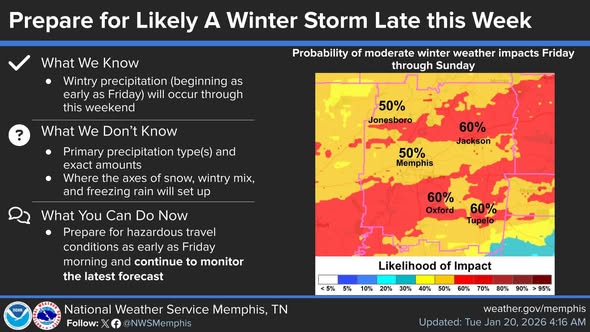
Forecasts point to very cold air with snow and a chance of sleet/freezing rain in spots, and high temperatures stuck in the teens and 20s. That combo can freeze lines, stress heaters, and make roads hazardous. Plan now; it saves money and mess later.
48–72 hours before the storm
Find and label your main water shutoff. Make sure the valve turns easily.
Insulate exposed pipes in attics, crawlspaces, garages; add heat tape on the most vulnerable runs.
Service heat now if you’ve had issues, filters, thermostat batteries, and clear returns supply steady airflow.
Winterize outdoor faucets: shut interior valves, disconnect hoses, open the spigot to drain, then add a cover.
Stage supplies: space heater (on its own circuit), flashlights, batteries, bottled water, towels, wet/dry vac.
24 hours before
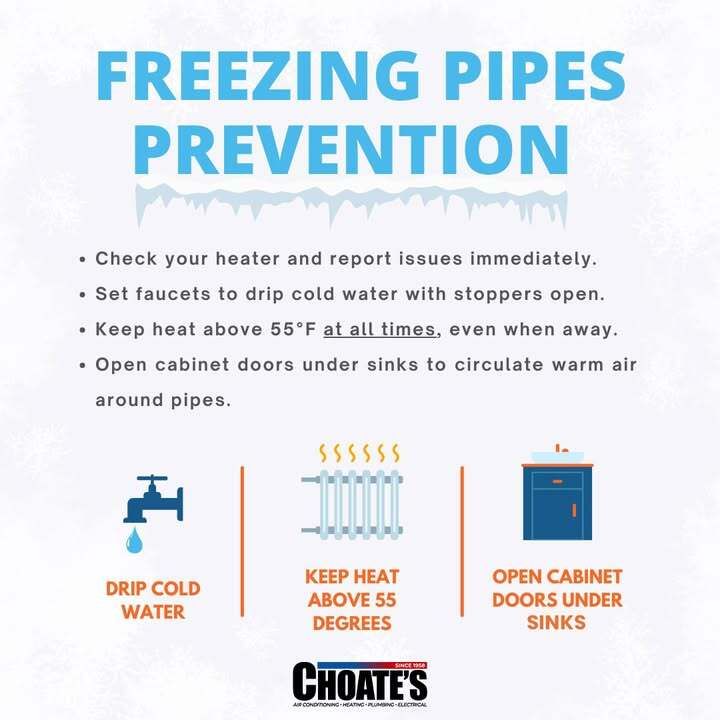
Open sink cabinets on exterior walls so warm air reaches supply lines.
Set heat to a steady temperature (55°F minimum if you’re away; higher if occupied) skip overnight setbacks during severe cold.
Charge phones and set outage alerts in your utility app if available.
Park and prep: move cars off the street, raise wiper blades, and salt high-traffic steps.
During the storm
Space heaters: three-foot clearance, no extension cords, never overnight or unattended.
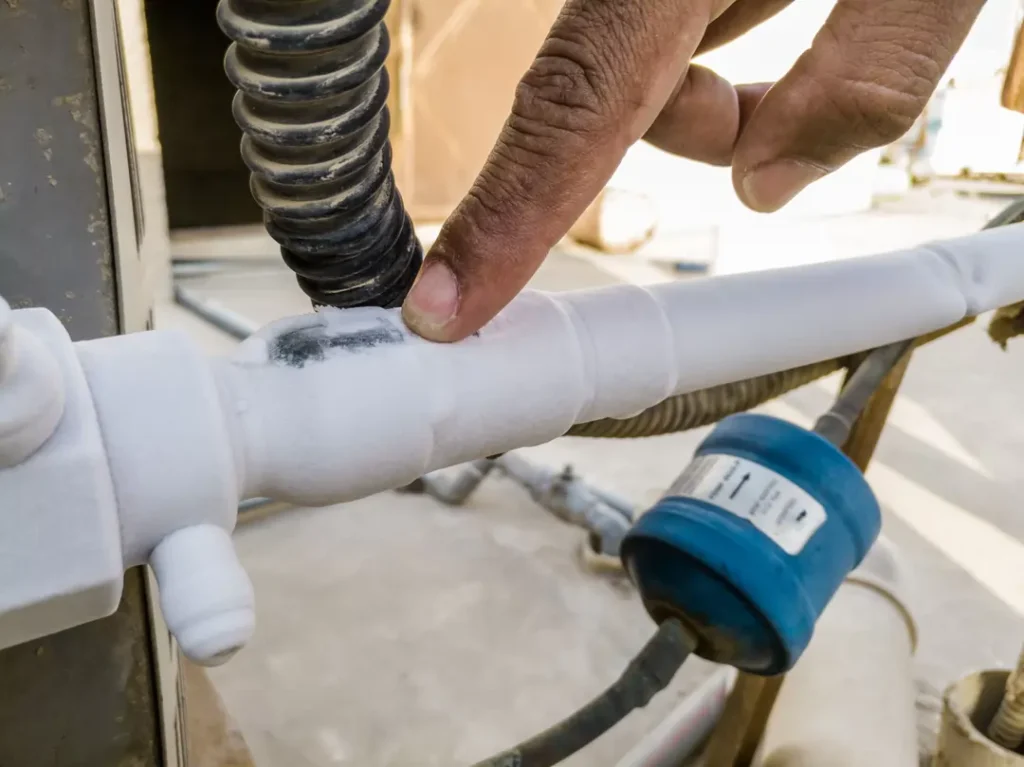
Heat pump basics: brief cool air or steam outdoors can be normal in defrost. Persistent cold air, breaker trips, or loud grinding are not, call for service.
Plumbing watch: slower flow, gurgling, or frost on lines? Increase indoor heat, open cabinets, and add a safe heat source nearby.
Power blips: unplug sensitive electronics or use surge protection; avoid running big appliances on the same circuit as heaters.
If a pipe freezes or bursts
Open the nearest faucet (hot and cold) to relieve pressure.
Warm the pipe with a hair dryer or small heater at a safe distance. Never use an open flame.
See water? Shut off the main immediately. Cut power to any wet area before stepping in.
Document and start cleanup, then call a licensed plumber for repair and pressure testing.
Generator and electrical safety
Portable generators outdoors only, far from doors and windows. Use transfer switches no backfeeding.
Whole-home generators: test run now; check oil and clear snow from the intake/exhaust area.
Surge protection helps protect electronics when power returns.
After the storm
Walk your home: check under sinks, near the water heater, and in ceilings below bathrooms for hidden drips.
Replace filters if they loaded up during extended run time.
Schedule follow-ups for any no-heat episodes, tripping breakers, or slow drains that appeared during the freeze.
Choate’s Air Conditioning, Heating, Plumbing & Electrical
Snow & Deep Freeze FAQs (Memphis, Jackson & North MS)
Should I let faucets drip during a hard freeze?
Yes—on lines in unheated spaces or exterior walls. A steady drip helps relieve pressure and can prevent a split line. Open sink cabinets so warm air reaches the pipes.
What indoor temperature should I set?
Keep a steady setpoint; avoid overnight setbacks during severe cold. If you’re away, hold 55°F or higher and open cabinets on exterior walls.
Is steam around my heat pump normal in very cold weather?
Steam during a defrost cycle is normal. It should return to warm air within minutes. Persistent cold air, breaker trips, or grinding noises need service.
How do I winterize outdoor faucets the right way?
Shut the interior valve to the spigot, disconnect hoses, open the outside faucet to drain, then add an insulated cover. Draining the line matters most; the cover adds protection.
What’s the first thing to do if a pipe bursts?
Shut off the main water immediately. If water is near outlets or your panel, cut power to that area. Open faucets to drain, document damage, begin cleanup, then call a licensed plumber.
Are portable generators safe to use during an outage?
Use portable generators outdoors only, far from doors/windows. Never backfeed a home; use a transfer switch. Keep snow clear from whole-home generator intake/exhaust.
Can Choate’s help today if I have a leak or no heat?
Yes. We provide emergency plumbing, heating, and electrical across Memphis, Jackson, and North MS. Call 901-755-4797 or schedule online.
Schedule Online
Request Info
"*" indicates required fields
Share this post
Request Info
"*" indicates required fields
Memphis Freeze Playbook: Prevent Burst Pipes and Heating Issues When the Grid Is Stressed
Memphis Freeze Playbook: Prevent Burst Pipes and Heating Issues When the Grid Is Stressed