Plumbing Articles

How to Get Hair Out of Drain: Expert Plumbing Tips and What to Do When DIY Fails

How to Get Hair Out of Drain: Expert Plumbing Tips and What to Do When DIY Fails

Hair clogs are among the most frequent and frustrating household plumbing issues, especially in showers, tubs, and sinks used every day. Removing hair from a drain can seem daunting, but it’s usually manageable with the right tools and techniques. Here, we’ll guide you step by step through removing hair blockages, essential prevention tips, and—most importantly—explain when it’s time to call in the experts at Choate’s Air Conditioning, Heating, Plumbing And Electrical for professional drain cleaning.
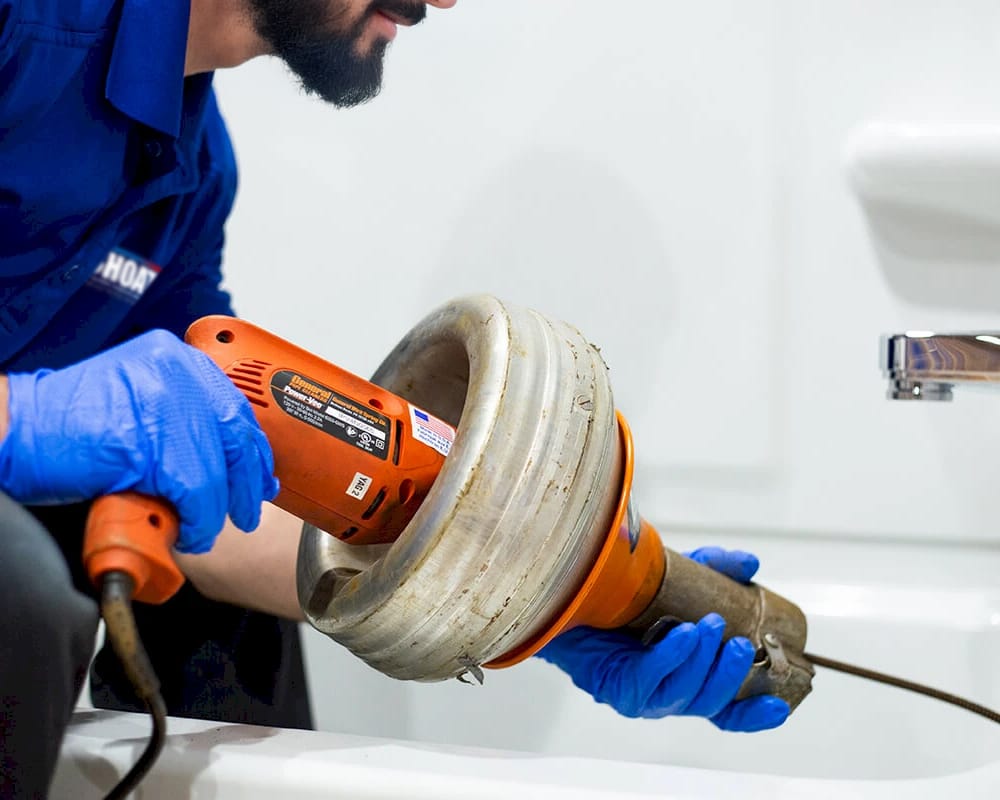
Professional Plumber Utilizing an Electric Drain Snake to Unclog Bathtub Drain, Wearing Blue Gloves and Uniform in a Bathroom Setting

What Causes Hair Clogs in Drains?

Hair clogs occur when loose strands, combined with soap residue and skin oils, accumulate inside drain pipes. Over time, this forms dense mats that restrict water flow, create foul odors, and eventually lead to standing water or backups. Early warning signs include slow drainage, gurgling sounds, or unpleasant smells near the drain. Having served the Mid-South region since 1958, Choate’s has seen—and solved—every type of hair clog imaginable.

Step-by-Step: How to Remove Hair from a Bathroom Drain

If you spot warning signs of a hair clog, these proven do-it-yourself solutions usually work—especially for newer or moderate blockages. Here’s Choate’s recommended process:

1. Boiling Water Method

  • Boil a large pot (around one gallon) of water.
  • Slowly pour it directly into the drain in stages.
  • The heat can loosen soap and oil binding the hair, helping to flush minor buildup away.
  • Caution: Do not use this method on non-metallic pipes, such as PVC, as boiling water can deform them.

2. Baking Soda and Vinegar

  • Pour 1/2 cup baking soda down the drain.
  • Follow with 1/2 cup white vinegar.
  • Cover the drain with a wet cloth or plug and let it fizz for 15–60 minutes.
  • Flush thoroughly with hot (not boiling) water.

This natural reaction helps dissolve residue binding the hair, often releasing partial blockages in showers and sinks.
3. Manual Removal With a Wire Hanger

  • Straighten a wire coat hanger and create a small hook at the end.
  • Gently insert this hook into the drain, rotating as you push deeper.
  • Slowly pull it out, removing any hair clumps attached.
  • Repeat as needed until you’ve extracted all visible hair.

4. Plastic Drain Snake (Hair Removal Tool)

Modern Laundry Room with Tankless Water Heater

  • Available at hardware stores, these flexible plastic strips have barbs to catch hair as you insert and pull them through the drain.
  • Insert the snake, twist and push until resistance is met, then withdraw with collected hair.
  • Repeat and rinse down the drain with hot water.

5. Removing and Cleaning the Stopper

  • Unscrew or lift out the drain stopper.
  • Remove any hair wrapped around the mechanism.
  • Clean the stopper thoroughly and re-install.
  • Test drainage and repeat other steps if needed.

6. Cup Plunger Technique

  • For surface-level blockages, use a cup plunger to force air and water through the line.
  • Create a good seal, plunge with short, forceful bursts, and recheck flow.

Best Practices to Prevent Hair Clogs in Your Drains

Preventive maintenance is the most reliable way to avoid recurring hair clogs and future plumbing headaches. Our Choate’s master plumbers recommend:
  • Installing mesh drain screens or covers in showers and tubs to trap hair before it enters the pipes.
  • Cleaning the drain screen every week as part of your bathroom routine.
  • Combing or brushing hair before showering to minimize the amount that falls out while washing.
  • Periodically flushing the drain with hot (not boiling) water to keep residue from setting.
  • Asking about our priority maintenance plans or preventive plumbing inspections for extra peace of mind—more details available through our Choate’s Air Conditioning, Heating, Plumbing And Electrical site.

Modern Kitchen Sink with Running Water and Decorative Elements Including a Small Vase with Flowers on a Sunlit Countertop Near a Window with a View of Cozy Kitchen Essentials in the Background

When DIY Fails: Signs You Need a Professional Plumber

Some hair clogs are stubborn, located deep within the pipe system, or are signs of a bigger issue such as pipe corrosion or tree root intrusion. Indications you need help from Choate’s Air Conditioning, Heating, Plumbing And Electrical include:

  • Repeated backup or slow drains, even after multiple DIY attempts.
  • Clogs affecting more than one fixture (suggesting a main line issue).
  • Strong foul smells that persist after cleaning.
  • Standing water that worsens or won’t clear.

At this point, our licensed plumbing team utilizes advanced tools—like sewer cameras and professional-grade drain snakes—to diagnose and clear hidden blockages efficiently. For complex jobs, specialized equipment such as hydro-jetting is available, safely blasting out deep pipe debris and restoring full flow.
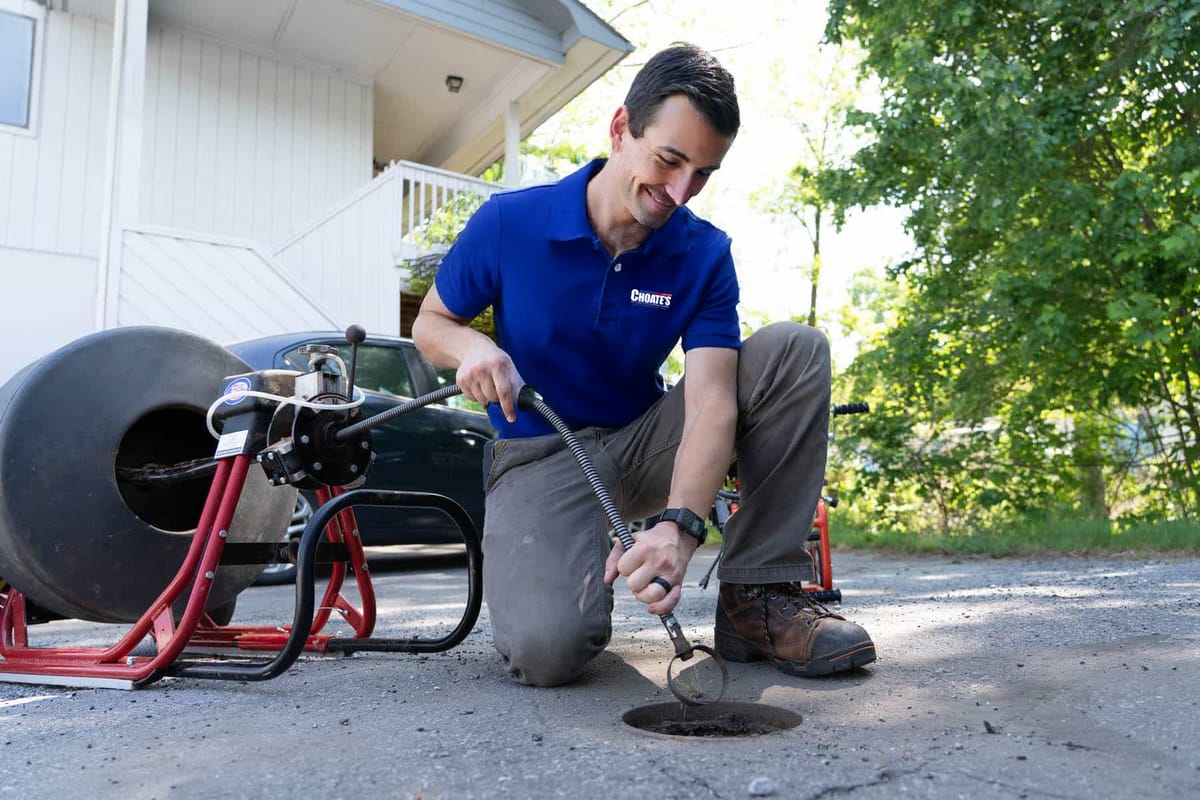
Plumber in Blue Uniform Using Drain Snake to Clear Outdoor Pipe Blockage Near Residential Building

Why Trust Choate’s for Drain Cleaning?

Choate’s Air Conditioning, Heating, Plumbing And Electrical stands apart as the leading authority for residential and commercial plumbing solutions in Memphis and the Mid-South. As a family-owned, community-rooted company since 1958, we offer:

  • Certified, knowledgeable technicians specializing in tough drain issues.
  • Straightforward, flat-rate pricing. No hidden fees or surprise costs.
  • Advanced methods including sewer camera inspections and hydro-jetting for comprehensive solutions.
  • Flexible scheduling, courteous service, and transparent communication. Our technicians are consistently praised for professionalism and thoroughness in hundreds of Google reviews.

From simple hair clog removals to complex sewer repairs, Choate’s delivers lasting results that protect your home and peace of mind.
Utility Room with Tall Gray Water Heater, Wooden Bench, Botanical Wall Art, and Boot Tray on Light Wood Flooring

Frequently Asked Questions (FAQ): Hair Clogs in Drains

Why do hair clogs form so easily in bathroom drains?

Bathing and grooming activities naturally shed hair, which binds with soap scum and skin oils in humid, damp environments. This forms sticky masses that gradually block drain pipes, especially in showers and tubs.

Is it okay to use chemical drain cleaners for hair clogs?

We do not recommend chemical cleaners for hair blockages. While they may dissolve some soaps or grease, they rarely break up dense hair wads and can damage pipes—especially if used repeatedly or in older homes. They also present safety hazards if splashed or inhaled.

How do I prevent future hair clogs?

The most effective prevention is to use a mesh screen, clean it weekly, and regularly flush drains with hot water. Brush hair before showering to minimize what goes down the drain and schedule professional plumbing inspections for extra coverage.

How do professional plumbers at Choate’s handle stubborn hair clogs?

Our team employs sewer camera inspections to pinpoint problem areas, then utilizes commercial-grade augers, drain snakes, or hydro-jetting as needed to remove even the toughest blockages safely and effectively.

Can severe hair clogs affect the entire plumbing system?

Yes. Clogs in main lines may cause backups in other fixtures, including toilets, sinks, or laundry drains. If you notice multiple drains affected at once, contact our experts immediately for diagnosis and repair.

Conclusion: Take Control of Your Drains With Expert Support

Most hair clogs can be managed with careful DIY methods, but for stubborn or recurring problems, it pays to trust a proven professional. At Choate’s Air Conditioning, Heating, Plumbing And Electrical, we combine decades of experience with modern tools and exceptional service, keeping your plumbing in the best shape possible. We invite you to read our customer testimonials, explore our full list of plumbing solutions, or schedule a personal consultation online today. For more insights on plumbing and home maintenance, visit our blog or see our guides, such as how smart HVAC upgrades can benefit your home.
Schedule Online

Request Info

"*" indicates required fields

This field is for validation purposes and should be left unchanged.
Name*
*I agree to receive service and transactional related SMS. For terms and privacy policy visit choateshvac.com/privacy-terms. Reply STOP to opt-out anytime.
Address*
Residential or Commercial?*
MM slash DD slash YYYY
For real time non-emergency availability click Schedule Online.
Share this post

Request Info

"*" indicates required fields

This field is for validation purposes and should be left unchanged.
Name*
*I agree to receive service and transactional related SMS. For terms and privacy policy visit choateshvac.com/privacy-terms. Reply STOP to opt-out anytime.
Address*
Residential or Commercial?*
MM slash DD slash YYYY
For real time non-emergency availability click Schedule Online.